 Free Returns on all orders.
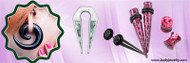
Ear plugs for stretched ears are one of the most personal and expressive forms of body jewelry. They come in all kinds of materials, sizes, and styles, so it’s easy to find something that feels like you. But the options can also be overwhelming if you’re not sure where to start. Some plugs look great but don’t feel great, and others may fit well but aren’t right for your ears or skin. That’s why knowing what to look for really matters. The right pair shouldn't just fit your lobes; it should fit your lifestyle too. Whether you’re just stretching or you’ve been doing this for years, a little clarity makes a big difference when it comes to comfort and style.
Understanding Sizes for Stretched Ears
Getting the size right is one of the most important things when wearing plugs. If a pair is too small, it won’t stay in place. Too large, and it can hurt your ears or cause tears.
Plug sizes are measured in gauges, and the numbers might feel backward at first. A smaller number means a larger hole. For example, a 0g is bigger than a 10g. Once you pass 00g, measurements usually switch to millimeters or inches, like 12mm or 1/2 inch. Most people stretch slowly, going up one size at a time. You don’t want to rush it. Stretching too quickly can lead to infection or permanent damage.
If you’re unsure about your size, a good way to measure is to use a sizing card or compare the plug to something you’re already wearing comfortably. Always wait until your ear is fully healed before moving up.
To avoid discomfort, we recommend:
- Only stretching when your lobes are fully healed.
- Using properly weighted plugs, especially when sizing up.
- Avoiding sudden jumps from one gauge to the next.
Stretching should never feel painful. If it does, your ears might not be ready for the next step yet.
Choosing the Right Materials
Once you have the size figured out, choosing the right material is next. Some are good for short-term use, while others are better for everyday wear.
- Surgical steel is one of the most common because it’s smooth, durable, and easy to clean. But some people with metal sensitivities prefer other options.
- Silicone is soft and lightweight. It’s flexible, which can make it easier to insert, but it can sometimes trap bacteria or moisture if worn for long periods.
- Glass is smooth and non-porous, so it feels clean and cool on the skin. It’s good for sensitive ears and comes in lots of colors.
- Wood has a natural, earthy look and is great for dry climates. It lets the skin breathe, but it shouldn’t get soaked often, especially in humid places.
- Titanium is strong like steel but more friendly for sensitive skin. It’s also lighter, making it great for bigger plugs.
We offer an extensive selection of ear plugs in high-quality materials, including surgical steel, titanium, glass, and organic woods, to fit all preferences and sensitivities. You will find specialized plugs designed for both daily wear and special occasions, along with options crafted from ASTM F-136 implant-grade titanium, ensuring biocompatibility and maximum comfort for those with allergies.
Think about how long you’re going to wear your plugs during the day. For example, heavier styles may not be ideal for all-day use. If you have allergies or your ears are on the sensitive side, smoother, non-metal options might be your better match.
Finding a Comfortable Fit
A plug should feel like it belongs in your ear, not like you're counting the hours until you can take it out. That’s where the design matters just as much as the material.
There are three main styles:
- Double flared plugs have flares on both ends that keep them in place without o-rings. They’re best when you’ve had your size for a while because they need a snug fit.
- Single flared plugs have one flared end and use an o-ring on the other side. These are easier to insert than double flares and give a secure hold.
- No flare designs are straight throughout and usually use o-rings on both ends. This type is perfect for new stretches or those still healing.
Plugs also come in tapers, tunnels, and other shapes, but for comfort, start with styles that are smooth and balanced. If you’re active during the day or sleeping with your plugs in, think about how they’ll feel over long periods. A plug that looks amazing isn’t going to be worth it if it pulls or puts pressure on your ears.
Caring for Your Plugs and Ears
Good habits keep both your ears and jewelry in great shape. Clean plugs mean fewer chances for odor or irritation.
Here are a few simple ways to keep things clean:
- Wash your hands before handling plugs or touching your stretched lobes.
- Use mild, fragrance-free soap and warm water to gently clean your jewelry.
- Dry both your ears and plugs completely before putting them back in.
Avoid soaking wooden plugs since they can warp or crack. Instead, wipe them clean with a soft cloth. For daily comfort, a bit of skin-safe oil around your lobes can help avoid dryness, especially in cooler months.
Plugs made from porous materials like wood or stone can absorb sweat, so regular gentle cleaning goes a long way. Skip harsh chemicals or alcohol wipes since they can break down the material or irritate the skin.
Style and Comfort for Stretched Ears
When it comes to ear plugs jewelry, it’s more than size or color. It’s how it makes you feel. The right pair should fit like a part of you. It should move with your day, match your style, and never cause discomfort. That balance only comes when size, shape, and material work together. We always recommend taking a little extra time to pick the pair that’s going to treat your ears right.
We regularly feature trending designs and plug styles, from single and double flare to ear tunnels and custom tapers, so you can find the latest looks or timeless classics all in one place.