 Free Returns on all orders.
Introduction
If you use body piercing tools regularly, keeping them clean should be high on your list of things to take seriously. Dirty tools don’t just look bad—they can cause irritation, infections, or worse. Whether you’re a professional or you use tools for personal piercings, learning how to clean them the right way makes a big difference. Clean tools help avoid problems and keep things safe for everyone involved.
Tools that aren’t cleaned properly can break down faster and might even transfer bacteria if they’re reused. A crusty clamp or a needle with old residue on it can mess up everything from healing to placement. Just like you wouldn’t eat off a dirty fork, you shouldn’t handle any piercing with grubby equipment. Let’s take a look at how to know what tools you’re using, and why cleaning each one matters.
Understanding Different Types Of Body Piercing Tools
There’s more to body piercing tools than just a needle. Knowing exactly what you’re working with can help you figure out the best way to clean it. Some tools are used before the actual piercing ever happens, while others are used during or even after for positioning or jewelry changes.
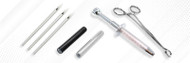
Some common body piercing tools include:
- Needles: Used to create the piercing itself. These are usually single-use, but prep and disposal still matter.
- Forceps or Clamps: Used to hold or align the skin during a piercing.
- Receiving Tubes: Help catch the needle as it goes through the skin to avoid injury on the other side.
- Tapers: Used to stretch healed piercings to larger sizes. Often reused.
- Hemostats or Pliers: Used for gripping jewelry during changes or installations.
Every tool touches skin directly or gets extremely close to it. If one isn’t cleaned properly, it can contaminate everything around it. For example, forceps used on one person without being cleaned before the next use can pass unwanted bacteria or even cause small cuts or trauma. It doesn’t matter how small or simple a tool looks—if it comes in contact with a piercing, it needs to be kept spotless.
Some tools will need full sterilization each time, especially if they’re not disposable. And it’s not just about hygiene. Dirty tools won’t work as well over time. Sharp tips might dull, hinges in pliers could stick, and tapers could develop buildup that affects the stretching process. Proper cleaning doesn’t just protect the person getting pierced. It extends the life of the equipment too.
Step-By-Step Guide To Cleaning Body Piercing Tools
Making sure your tools are clean isn’t something you want to guess your way through. If you follow a regular routine, it turns into a habit that helps everything run smoother and safer. A good cleaning process usually has four main parts: gathering your supplies, prepping the tools, cleaning them, and then properly sterilizing what needs to be sterilized.
1. Gather Your Supplies
Before you do anything, get everything you need in one place so you're not scrambling halfway through. Here's what to grab:
- Warm water and mild antibacterial soap
- Non-abrasive brushes or cotton swabs
- Saline solution or non-iodized sea salt
- Sterilization gear (like an autoclave or cold chemical sterilizer)
- Clean gloves and towels
Avoid using harsh cleaning chemicals like bleach or hydrogen peroxide unless you’re trained and the product is made for that type of sterilization. Stick with items that clean without breaking down the metal or affecting the finish.
2. Pre-Cleaning Preparation
Start by rinsing or wiping down tools to remove any obvious dirt or debris. Use gloves to keep things as clean as possible. If there’s buildup, soak the tools in warm, soapy water for a few minutes to loosen anything stuck to the surface. It’s better to gently scrub tools than to scratch them with anything rough.
Make sure you always keep clean tools and dirty tools apart. Never let cleaned items touch anything that hasn't been disinfected too. Cross-contamination is one of the most common mistakes when cleaning piercing tools.
3. Cleaning Process
Once the tools are soaked and rinsed, it’s time to scrub. Use a soft brush or cotton swab on hinges, ridges, and tight corners. Don’t just eyeball it—take your time. Rinse everything under warm running water to wash away any soap that’s still left. Dry the pieces completely with a clean, disposable cloth.
Skipping these cleaning steps and going straight into sterilization won’t get rid of all the gunk. Dirt and oils can still hang on if you don’t scrub them off first, and they’ll block the sterilization from doing what it’s supposed to do.
4. Sterilization
Sterilizing is the final step, and one of the most important for reusable tools. A few different sterilization methods exist:
- Autoclaving: Uses heat and pressure to kill bacteria. Most common for professional tools.
- Cold Sterilization: A chemical soak used when a heat autoclave isn’t available.
- Dry Heat: Less common, but sometimes used for heat-resistant tools.
Make sure anything you sterilize is completely dry before storing it. Wet tools can grow bacteria fast, even after sterilization. Once they’re dry, put them somewhere clean and sealed until you’re ready to use them again. Avoid touching them with bare hands after sterilizing. Always use gloves or sterile holders if you're checking or moving them.
How To Store Cleaned Body Piercing Tools
Once tools are squeaky clean and completely dry, storage becomes the next big deal to keep them that way. Storing these tools properly ensures they stay sanitized until the next use. This helps to reduce the risk of re-contamination and any potential issues that arise from using improperly stored tools. Here are some smart practices for keeping piercing tools ready to go:
- Use airtight containers: Store your tools in sealed, airtight containers to prevent dust and bacteria from getting in. You might use small boxes with tight lids or sterile pouches specifically made for holding tools
- Label everything: Make sure containers or pouches are labeled according to the type of tool stored inside. This can prevent mix-ups and ensure you can quickly find what you need without fumbling through a pile of tools
- Separate by type: Always store different types and sizes of tools separately to avoid confusion. For example, keep needles away from forceps. This helps prevent accidental cross-use
It's smart to inspect tools regularly. Consider setting a routine for checking and cleaning tools even in storage to ensure they remain in top condition. Assign a time, maybe weekly or monthly, to go through the storage. This not only keeps hygiene standards high but also helps in maintaining organizational order.
Tips For Maintaining A Clean Work Environment
A clean working space complements the cleanliness of your tools. Keeping the environment tidy ensures that any piercing performed is done in a sanitary setting, which is just as important as keeping tools pristine. Without the right environment, tools can quickly become contaminated, no matter how well they were cleaned beforehand. Here are a few tips to achieve this:
- Regular disinfection: Wipe down surfaces frequently with disinfectant. This includes work tables, chairs, and any equipment that comes in contact with clients
- Proper waste disposal: Always dispose of used needles and other waste in designated sharps containers. Never leave disposable items lying around to avoid accidental injury or contamination
- Consistent staff training: Make sure anyone who handles tools knows how to clean and sterilize them, as well as how to maintain a clean workspace. Regular training and updates on handling practices can cut down on errors
Implementing these practices can create a cleaner, safer environment for both those doing the piercings and those receiving them. It shows professionalism and a commitment to health standards which clients truly appreciate.
Keep Your Tools Clean And Safe
When it comes to body piercings, tool cleanliness should always be a top priority. Clean tools not only protect the client, but they also help build trust and show that care is being taken with every step. People notice when tools are spotless and procedures feel safe.
Taking time to create a routine around cleaning and storage can save money too. Tools will stay in better shape, perform better, and last longer. Along with a clean workspace and educated staff, following these steps protects your clients and your reputation.
Keeping everything clean doesn’t take a ton of extra work, just steady habits and the right setup. With a little consistency, you’ll create a piercing environment that works well for both the professional and the person getting pierced.
To maintain a safe and efficient piercing practice, having the right equipment is key. Explore our selection of body piercing tools at BodyJewelry.com so you can ensure cleanliness, safety, and precision with every procedure. Equipping yourself with quality tools not only extends their lifespan but also enhances your reputation for meticulous care and attention to detail.