 Free Returns on all orders.
Introduction
Getting ready to do a body piercing comes with more responsibility than some people realize. Whether you're new to body piercings or have been around them for a while, having a tool kit in hand doesn’t mean you're fully set. Using it the right way makes all the difference between a safe, smooth experience and one that ends in discomfort or infection. A piercing isn't just about putting jewelry through skin. It's a process that needs proper tools, preparation, and technique.
Understanding how to use a body piercing tool kit the right way can save you a lot of trouble down the road. There’s a bit of pressure in getting it right when it comes to needles, clamps, and jewelry. Knowing what each piece does and how to prep your space and yourself before you begin can keep things safe and a lot less stressful. Let's look at what’s inside most body piercing kits, how to prep your space before you start, and a few best practices that people sometimes overlook.
Understanding Your Body Piercing Tool Kit
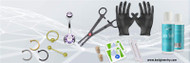
Before doing any type of piercing, it helps to know exactly what each item in your kit is for. Not only does this limit the chance of mistakes, but it also gives you more control over how you use everything. Most kits will include the basics, but depending on the style or the area being pierced, some kits may have specialized tools. Here’s a breakdown of common tools and what each one does:
- Piercing Needle: Usually hollow and sterilized, this is what creates the opening for the jewelry to pass through. It comes in different gauges depending on the body part and jewelry thickness.
- Receiving Tube: Used to guide the needle safely and catch the end, especially useful for areas where tissue thickness needs more control.
- Forceps or Clamps: These help hold the skin still so that the piercing goes through precisely where it’s supposed to. Some are slotted to direct the needle.
- Insertion Tapper or Guide Pin: Smooths the jewelry insertion process, reducing tissue trauma by keeping everything lined up properly.
- Piercing Jewelry: Typically included are straight bars, curved bars, or rings. The type depends on the area being pierced and personal style preferences.
- Gloves and Cleaning Wipes: Clean hands and work surfaces matter more than people think. Using gloves helps stop any contamination right from the start.
Every single item in the kit has a purpose, and skipping or misusing even one can set you up for healing problems. For example, trying to pierce without using clamps might seem easier, but it could cause uneven placement. Getting familiar with how everything works ahead of time helps keep your focus where it belongs on doing the piercing safely and correctly.
Preparing Your Workspace
Before even opening your tool kit, take a few minutes to get your workspace ready. Making sure your tools are sterilized is one part of it, but the whole area where you plan to work should be clean and organized. Bad prep can lead to bacteria getting into the piercing, which is a fast track to irritation or infection.
Here’s how to set up your workspace:
- Pick a flat, clean surface with good lighting. Avoid clutter or shared areas like bathrooms or kitchen counters.
- Wipe down your work area using an alcohol-based cleaner or hospital-grade disinfectant.
- Wash your hands thoroughly and put on a new pair of disposable gloves.
- Lay down a clean, disposable cloth or paper to hold the tools.
- Keep a small waste container nearby to throw out wipes, packaging, and used gloves right away.
- Arrange your tools in the order you’ll be using them so you don’t have to touch unrelated items mid-piercing.
Think of it like prepping ingredients before cooking. When everything’s in place, it runs smoother and feels more controlled. One common mistake is setting tools on a messy counter or touching jewelry before putting gloves on. These small slip-ups are easy to avoid if you take prepping seriously. A clean setup gives you a clear mind and helps you focus on technique rather than worrying if your hands just picked up germs.
This kind of prep builds habits that support safe practices every time you use a body piercing tool kit. It creates a setup where nothing is rushed and everything has a place. That structure leads to a better outcome during the piercing and the healing process.
Step-by-Step Guide to Using the Kit
Taking the plunge into piercing requires methodical steps to keep things safe and on track. To get you through the process without a hitch, here's a simple guide on how to use the tools in your body piercing toolkit:
- Wash and Sanitize: Begin by thoroughly washing your hands with soap and warm water. Dry them off and put on fresh, disposable gloves. Open your kit and arrange the sanitized tools on a clean surface.
- Mark the Spot: Use a skin-friendly marker to dot the exact spot where the piercing will go. This helps avoid crooked placements and ensures the jewelry aligns perfectly.
- Secure the Area: Use forceps or clamps to hold the skin steady and firm. This not only makes inserting the needle easier but also aids in precision.
- Pierce with Care: Position the needle at the marked spot, pushing it through gently but firmly. Watch your angle to ensure the needle pops through straight.
- Insert the Jewelry: Follow the needle with the jewelry by using an insertion tapper or guide pin to fit it smoothly. Make sure you handle the jewelry with clean gloves to avoid contamination.
Remember to stay calm and focused, as each step requires steady hands. Trying to rush through a piercing often leads to mistakes that can be painful and harder to reverse. When done right, using each tool correctly should feel seamless and safe.
Aftercare Instructions
Once you’ve made it through the piercing, caring for the area properly will set the stage for healthy healing. Aftercare might seem like the homestretch, but it’s when infections are most likely to occur if precautions aren't observed. Here's a list of practices to keep issues at bay:
- Clean Daily: Rinse the piercing gently with a saline solution. It keeps the area hydrated and helps flush out potential irritants.
- Avoid Harsh Products: Steer clear of alcohol or hydrogen peroxide, as these can dry out and damage the skin around the piercing.
- Hands Off: Resist the urge to touch or twist the jewelry. Unnecessary handling can introduce bacteria from your hands to the piercing site.
- Watch What You Wear: Opt for loose clothing near the pierced area to avoid friction. It reduces irritation and lets the piercing breathe.
- Be Mindful During Activities: Activities like swimming in pools or lakes can expose your piercing to bacteria. Wait until it's fully healed or cover the area if you must swim.
Adhering to these aftercare routines not only helps end things on a good note but also boosts your confidence in rocking the new look. Successful piercing is about laying the groundwork for smooth encounters with your body art.
Keep Your Piercing Routine Sharp
Mastering how to use your body piercing tool kit sets you up for confidence and peace of mind. By planning ahead, practicing safe techniques, and following aftercare to the letter, you keep the risk low and satisfaction high. Good piercing practices mean fewer problems, less stress, and more time to enjoy your new style.
Each piercing gives you a chance to learn something new. Whether you're just starting out or growing your experience, sticking to safety and staying organized makes all the difference. When questions come up, reaching out to a professional can help clear up uncertainty and guide your next steps. Keeping those standards in place not only improves each piercing but builds habits that last.
To continue your piercing journey with confidence and explore the right tools for the job, browse our selection of professional-grade options designed for safety and style. At BodyJewelry.com, you’ll find everything you need, including a reliable body piercing tool kit to support your next step with ease.