 Free Returns on all orders.
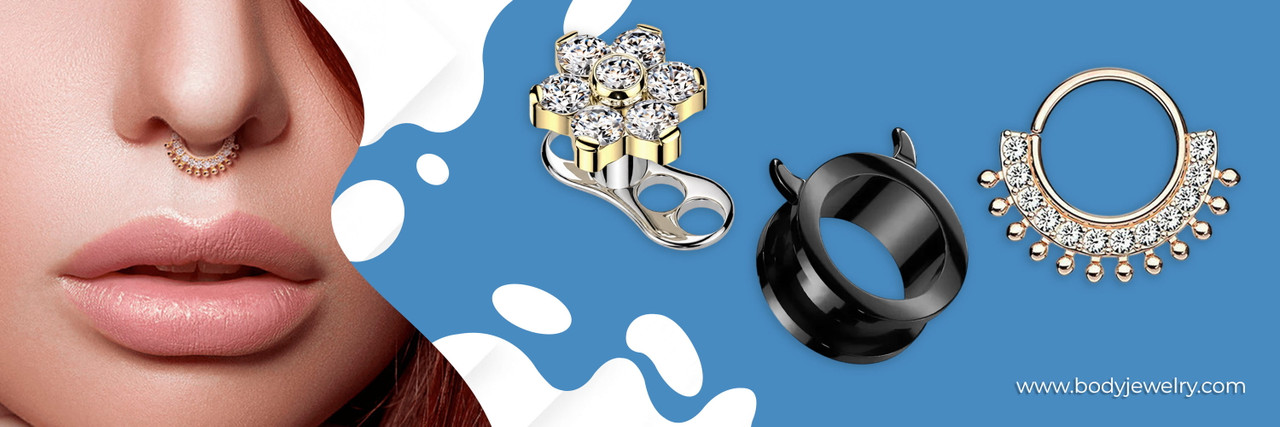
From Basic Piercings to Statement Pieces with Confidence
Moving from basic piercings to bold, decorative jewelry should feel exciting, not scary. At some point, that simple stud or starter ring starts to feel a little plain, and we start eyeing stacked hoops, cute chains, and ornate clickers.
Switching too soon, though, can cause real problems. We are talking irritation bumps, redness that will not quit, migration, or even tearing that forces you to re-pierce. That is why having a simple, clear decision framework matters before we upgrade.
We like to think of four main checks before changing jewelry: where you are in the healing stage, how your anatomy is shaped, the actual specs of the jewelry like gauge and length, and the moments when you really need a piercer to say yes before you clip anything in. Seasonal timing plays a role too. In mid-summer, heat, sweat, pool water, and travel can turn a “kind of healed” piercing into a cranky one fast.
Once you understand those pieces, you can plan a safe upgrade path from starter studs and simple rings to more advanced, detailed pieces. That is exactly why we at Body Jewelry carry such a wide range, from basics to specialty designs, so you can grow your look on your own timeline.
Healing Milestones That Must Come Before Jewelry Upgrades
A piercing that is not sore all the time is not always a fully healed piercing. Many basic piercings, like lobes and nostrils, can feel fine long before the inside is actually strong and settled.
General healing ranges for common basic piercings often look like this:
- Ear lobes and nostrils: usually a few months
- Helix and other ear cartilage: often longer than lobes
- Navel: often one of the slowest spots
- Septum: can feel comfortable fairly early, but still needs care
Your piercer is the best person to confirm healing, but there are clear signs a piercing is still in progress:
- Ongoing redness or a pink halo around the hole
- Heat, throbbing, or swelling that comes and goes
- Crusting or clear discharge that keeps returning
- Soreness after sleeping on it or after weather or temperature changes
Heavier or more complex pieces, like chains or multi-ring stacks, pull and shift more. That extra strain can cause tiny tears inside the channel and bring back all those early healing feelings. If the piercing still gets grumpy during small bumps or quick hair snags, it is not ready for more weight.
Summer adds more stress. Sweat, sunscreen, sand, and lake or pool water can all irritate tender skin around a piercing. If your piercing is “almost there,” it is usually smarter to wait for late summer or early fall to do a big upgrade instead of pushing it when the weather is hot and sticky.
Matching Jewelry to Your Unique Anatomy and Lifestyle
Not every ear, nose, or navel is shaped the same, and that matters a lot once we move beyond basic piercings. Anatomy can limit or support advanced looks, like stacked rings, layered clickers, or multiple chains.
Some things a piercer will look at:
- Ear shape and cartilage thickness
- Nostril width and angle
- Navel depth and how it folds when you sit
- Nipple and genital structure for more private piercings
For example, stacked rings on a helix need enough flat space so each ring sits without crushing the one next to it. Too little room and the jewelry digs in, creates pressure points, and can lead to migration or thinning skin. The same goes for multiple chains on a navel or between piercings in a “curated ear” look.
Lifestyle matters just as much as anatomy. Headphones, helmets, tight hats, glasses, and phone use all hit the ear area. Sports, dance, and summer activities like swimming, camping, or long hiking trips can mean bumps, sweat, and dirt.
It often makes sense to keep simpler jewelry longer when:
- You are traveling or sleeping in new places
- You are doing water sports or a lot of swimming
- You work around dust, dirt, or heavy sweat
- You wear gear that puts pressure right on your piercings
Once life slows down a bit, then is the time to think about that heavier or more ornate piece.
Gauge, Length, and Weight: Getting the Specs Right
Moving up from basic piercings is not only about looks, it is about fit. Two key specs are gauge and length.
Gauge is how thick the jewelry is. Many piercings are started at a set gauge chosen by the piercer. Length or diameter is how long the bar is, or how wide the ring is. Starter jewelry is often a little longer so the tissue can swell without getting squeezed.
When you upgrade, you might:
- Shorten a bar so it sits snugger after swelling is gone
- Choose a smaller ring diameter so it hugs closer
- Keep the same gauge so the channel stays stable
If the bar is too short, the ends can press into the skin and start to embed. If the ring is too small, it can pinch and warp the angle of the piercing. Too large, and the jewelry flops around and causes friction.
Weight is another big factor. You can tell a piece is too heavy if:
- The piercing hole looks stretched or oval
- The jewelry hangs at a new, weird angle
- The skin above or below looks thin or pale
- You feel a constant pulling sensation
It is safer to step up weight slowly. Start with one slightly chunkier ring or a single light chain before stacking multiple thick pieces all at once.
When You Absolutely Need a Piercer’s Green Light
There are times when guessing is not safe. A quick visit with a trusted piercer can save you a lot of pain and frustration.
You definitely want professional input if you have:
- Ongoing irritation or bumps that never fully go away
- Noticeable scar tissue around the piercing
- A history of piercings rejecting or migrating
- Any history of keloids or raised scars
Some advanced projects should always include a piercer:
- Stacking several rings through one piercing
- Adding chains between multiple piercings
- Mixing different gauges in one curated ear
- Trying to change a basic piercing into a specialty style like a snug or rook
In person, a piercer can check tissue health, angle, and depth, and suggest the right gauge, length, and material for your idea. Seasonal check-ins can help too. Mid to late summer is a smart time to talk about fall and winter upgrades, when sweat and constant heat are not such a big factor.
Planning Your Next-Level Look Safely and Stylishly
A thoughtful “piercing progression plan” keeps your look fun and your piercings happy. The idea is simple: respect healing, move in small steps, and match your jewelry dreams with what your body can actually support.
A basic plan might look like this:
- Start with basic piercings and follow aftercare until fully healed
- Downsize into better-fitting but still simple jewelry
- Add light decorative pieces like small clickers or very thin stacks
- Move into heavier or more complex designs over time
We always suggest blending a piercer’s advice with your own style goals. Take clear photos of your ears or other piercing areas, note which angles and flat spots you actually have, and make a list of must-have advanced looks, like chains, stacked rings, or clickers.
From there, you can match those ideas with safe specs and high-quality materials. At BodyJewelry.com, we love helping you move from basic piercings to full statement setups at a pace that keeps your body comfortable and your style on point, one smart upgrade at a time.
Find Comfortable, Stylish Jewelry For Your Next Piercing
If you are ready to upgrade your look with new piercings, we make it easy to choose jewelry that feels good and heals well. Explore our curated selection of basic piercings to find pieces that match your style and experience level. At Body Jewelry, we focus on quality materials and thoughtful designs so you can feel confident about every choice. Start building your collection today with pieces you will actually want to wear every day.