 Free Returns on all orders.
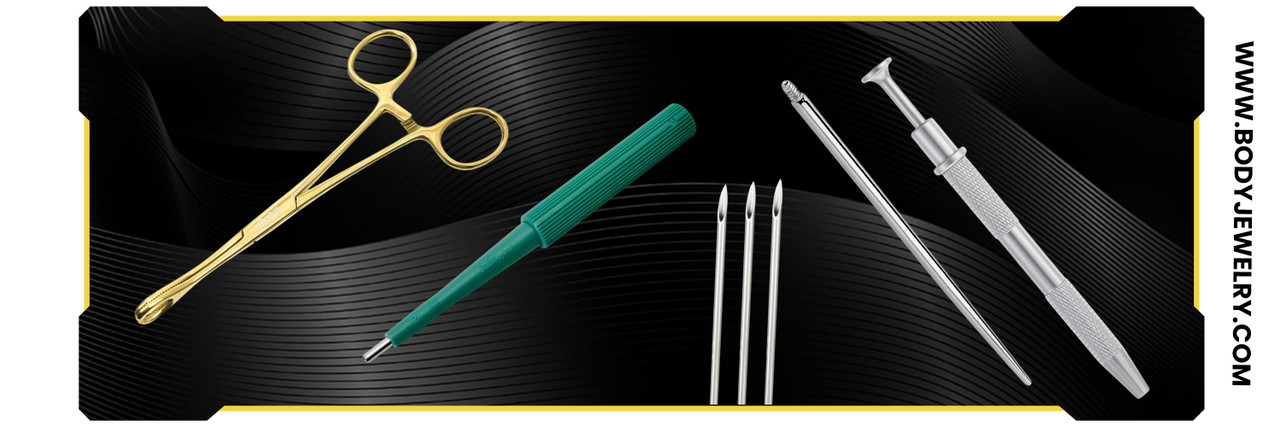
Eventually, every tool gives in to wear, especially ones used as often as piercing tools. Piercing tool kits aren't meant to last forever. Over time, constant use, cleaning, and handling can wear down even well-made gear. Recognizing when tools are no longer doing their job right is part of keeping the entire setup safe and dependable. If we keep using overworked gear, it can create problems for both piercers and clients during healing.
When spring rolls around and people start showing more skin, the pace of appointments tends to pick up. That means our tools get used more often and old pieces might finally give out or start showing signs that they’re no longer as reliable. Keeping track of the condition of our piercing tool kits isn’t just good practice, it helps protect our clients and makes our work smoother too.
Signs Your Tools Aren’t Working Like They Used To
It usually starts with small changes. The clamp that won’t hold its grip, or a needle that doesn’t quite feel as sharp as it used to. Little things like that can slow us down or, worse, cause discomfort for the person getting pierced.
The main issues we should look for include:
- Hinges that feel loose, making handling awkward and imprecise
- Edges that have dulled over time, making piercings harder and more painful
- Tools that don’t align correctly, leading to crooked tracks or rough jewelry placement
- Sticky residue that sticks around even after cleaning
- Discoloration or rust spots, which signal possible exposure to moisture or chemicals
It’s easy to overlook these things during a busy workday, especially when a tool has become part of our usual routine. But over time, these small signs can lead to bigger problems if they’re ignored. A clamp that doesn’t hold securely might cause a piercing to shift at the last moment. Dull tools can tear skin instead of piercing cleanly, adding healing time or causing irritation.
Why Spring Is a Smart Time to Evaluate Your Kit
Spring tends to bring more appointments our way. People are dressing lighter, spending more time outdoors, and trying out new styles. With warmer weather, there's more skin visible, and that often means more interest in piercings.
In Florida, this shift starts early. By April, humidity rises and so does the number of walk-ins and bookings. With more clients on the calendar, our tools naturally see more use. More piercings in fewer days mean tools wear down quicker during this time of year.
It’s a good habit to evaluate tool condition before things get too busy. Sharpening, replacing, or retiring old tools before the rush starts can save us time and avoid issues mid-session. It also keeps hygiene standards strong, which becomes even more important when piercing frequency picks up and sweat and heat increase the chances of irritation or infection.
How Worn Tools Affect Client Experience
Clients feel everything during a piercing session. If the tool we're using doesn’t function right, that discomfort transfers straight to them.
When tools get dull, the piercing process takes longer. That can mean more pressure or multiple tries, which no one enjoys. A piercing that would normally go in clean might take extra time or feel rougher than it should. That kind of experience sticks with a person and may make them less confident in the process.
On top of that, worn or discolored tools give off the wrong impression. Someone coming in for a new piercing might glance at our setup and wonder if those tools are safe. Even if we know a tool is sterilized, visible signs of wear might shake their trust before the procedure even begins.
Broken handles, flaking coatings, or hardware that seems mismatched often raise questions without a word being said. We want people to feel calm and cared for, not distracted by the condition of the tools we’re using.
What to Check Before Replacing Versus Keeping
Not every scratch or dent means it’s time to toss the tool, but some signs should prompt a closer look. A good routine is to set time aside each month to go through the kit and inspect each part.
Here’s what we like to check regularly:
- Tension in hinges and joints to ensure tools feel tight and controlled
- Sharpness of piercing points or tips so they still cut smoothly, not tear
- Visual inspection for signs of rust, chipped surfaces, or staining that remains after sterilizing
- Clamps and grips to see if they hold without slipping or require too much pressure to stay in place
A little wear is normal, especially after months of steady use. But when parts no longer work as intended, it's probably time to let them go. Keeping a checklist or marking tools with small color codes can help track how often something’s used. This way, we have a clearer picture of what’s aging faster and which pieces need more frequent replacements.
Replacing single tools is often easier than trying to work around problems during an appointment. If a tool takes more effort to prep or use than it used to, that’s reason enough to evaluate it more seriously.
Better Healing Starts with Better Tools
Everything starts with the gear we use. From the first press of a clamp to the final placement of jewelry, clean and well-working tools make the entire process feel smoother, for us and the client.
By reviewing tools regularly, we avoid last-minute surprises that can throw off a schedule or cause discomfort. It keeps our standard of care consistent and helps us feel more in control during the busiest times of the year.
As spring rolls in and appointments ramp up, getting ahead of wear and tear means fewer problems down the road. It doesn't take long to get into a regular habit of checking tools, and doing that improves healing and helps make every appointment feel as safe and calm as it should be.
At BodyJewelry.com, home of Luxe Modz, we know how much smoother piercing sessions go when every part of your setup works exactly the way it should. If your gear feels off or harder to handle lately, it might be time for a closer look at the tools you rely on most. Staying ahead of wear helps avoid slowdowns, discomfort, and doubt during appointments. To see what’s available for upgrading your setup, take a look at our piercing tool kits. If you have questions or want help figuring out what to replace, just contact us.