 Free Returns on all orders.
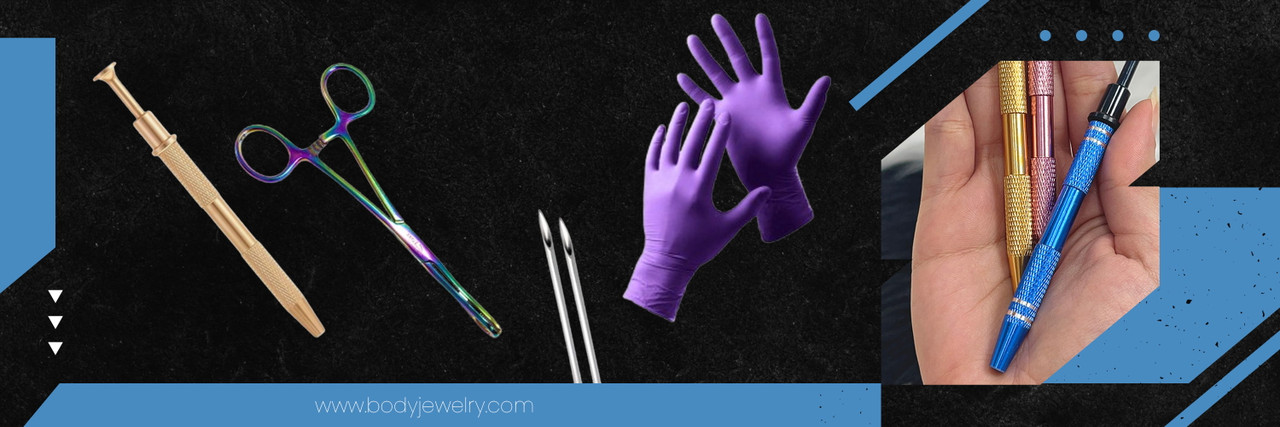
Humidity is rarely a friend to metal tools, especially when summer heat picks up and everything starts feeling damp. For anyone who depends on clean, sharp piercing tools and supplies, that moisture can create a real problem. In places with long, warm seasons like Florida, we’ve learned that staying ahead of the humidity is the only way to keep tools reliable and safe to use.
Whether you’re using them daily or just every once in a while, your tools need protection from rust, corrosion, and buildup. Letting wet air creep into your storage areas or skipping those small drying steps can wear them down fast. A little prevention can make all the difference. It keeps your equipment working right and avoids unexpected costs later. Even the best tools are at risk if exposed to moisture for extended periods, making care during the summer months especially important.
How Humidity Impacts Piercing Tools
Moist air can get into everything. Once it settles on your equipment, it speeds up rusting, dulls edges, and creates the perfect setup for contamination. That includes clamps, forceps, pliers, and anything else that touches fresh piercings.
Too often, we see people store their tools in bathrooms or near vents. These might seem like convenient spots, but they collect steam fast and trap moisture. Metal tools left in these places will start to show signs of wear more quickly than you might think.
Using tools that have been exposed to damp air for too long comes with risks. Rough spots or dull edges can damage healing piercings or spread bacteria. Keeping piercing tools in the right condition isn’t just about storage. It’s about protecting the skin they touch. If you live in a climate where humidity is high most of the year, it’s even more important to make daily checks a habit.
Moisture exposure can also make handles and grip areas less comfortable or harder to clean, leading to unnoticed pockets of both water and germs. Over time, these effects combine to shorten the useful lifespan of your tools, requiring you to replace items more regularly.
Choosing the Right Storage Options
Safe storage starts with the right container and location. We always recommend keeping tools in something that shuts tight and stays away from heat. Humid rooms and direct sunlight are quick ways to damage sharp, precise tools.
Here are a few ways to upgrade your storage routine:
- Use sealable containers with hard sides and flat bottoms
- Drop in a few silica packets to pull out any leftover moisture
- Store piercing supplies in lined toolboxes or drawer organizers
- Avoid keeping them near windows, sinks, or open vents
If you're in a hot, damp climate like Florida, keeping tools in a cool, dry closet or cabinet is better than leaving them on a bathroom counter. Every bit of distance from moisture helps. Moving your toolkit to a shelf in an interior room or above ground level can also make a difference. For those who use their tools often, setting up a reminder to check the inside of your containers every couple of days can help catch drips or leaks early.
To keep everything organized, label your storage with both content and date of last cleaning. Having a scheduled rotation for checking and refreshing silica packets or other moisture absorbers can help keep storage effective all summer.
Simple After-Use Cleaning Habits
Even the most expensive tools won’t last long if they’re tossed back into a drawer without cleaning them first. Any time we finish using a tool, especially during the warmer months, we take a few minutes to dry it off completely. This step is quick, but it prevents a lot of problems later.
To care for tools the right way each time:
- Wipe them thoroughly with a clean, dry cloth
- Use a soft brush to work out any tiny bits from hinges, teeth, or tips
- Never store tools that are still damp, even if they look dry on the outside
- Clean them again if they’ve been exposed to sweat or rain between uses
Letting them air dry is not enough during summer. Moisture can stay trapped in small crevices, which is why we make a habit of drying them by hand every time. A gentle stream of air from a small hand fan can help for tight spots if a cloth doesn't reach. If you use cleansing solutions or disinfectants, ensure all residues are wiped away as leftover liquids can also cause rust.
Take a few extra minutes on days that feel especially humid or when equipment has been exposed multiple times within one session. Double-checking hinges, locking parts, and even spring mechanisms will ensure nothing is missed. Building these moments into your routine makes cleaning less of a chore and more of a habit.
What to Avoid in Hot and Humid Weather
There are a few habits that cause more damage than people expect. Leaving tools in a hot car for hours or tossing them into a gym bag after use are both common mistakes. These places collect heat and moisture fast, and they create the perfect setting for tools to start rusting.
Some things to watch for:
- Don’t rinse tools and leave them on a towel to dry, especially near a window
- Avoid carrying them around loose in bags or pouches that collect sweat
- Stop using any tool that feels rough, stiff, or looks cloudy
When heat and moisture mix, bacteria grows faster. If you’re using piercing tools that don’t feel smooth or look clean, it’s time to check them closely. Discoloration, new roughness, or musty smells are all red flags. It's not worth taking chances, especially when the air feels sticky.
Try to always transport your tools in a separate, dry case, not inside fabric bags or next to water bottles. If you've finished a busy session or had your gear out for a while, take a few seconds to scan for condensation or new marks. Noticing these details early stops damage before it becomes permanent.
Another tip is to avoid stacking metal tools against each other, as this lets water become trapped in tight spots and makes corrosion more likely. Instead, use soft pouches inside your main case to keep items separate.
Stay Ready and Rust-Free All Season
Warm weather doesn't have to ruin your gear. With just a few changes to how and where you store your tools, you can keep them safe from rust and moisture for months at a time. The effort it takes to wipe, dry, and store everything carefully always pays off.
Piercing tools and supplies last longer and stay safer when we treat them with care every time. Consistency is what matters most. A clean cloth, a dry container, and a cooler spot to store your gear can make the difference between tools that work well and ones that need early replacement. It's a quick habit change that helps in the long run.
Keeping tools clean is one part of the process, but having the right gear matters too. We know how important it is to rely on sharp, well-made equipment that holds up through heat and humidity. If you’re looking to update or replace your current setup, check out our collection of piercing tools and supplies made to hold up through frequent use. At BodyJewelry.com, home of Luxe Modz, we’re always here to help you keep your equipment ready for whatever the day brings. Contact us if you have any questions.