 Free Returns on all orders.
Introduction
Twister rings can look stylish, but taking one out on your own isn’t always simple. If you’ve worn one for a while and are ready for a change, or just need to clean it properly, knowing how to remove it safely at home matters. Twister rings have a unique design that rotates through the piercing, which can confuse anyone unfamiliar with how they work.
Trying to remove one without clear steps can lead to irritation or damage, and nobody wants that. Whether your jewelry feels stuck or you're just not sure where to begin, we’ll walk through the steps you’ll need to feel more confident about doing it safely.
Understanding How a Twister Ring Works
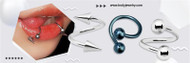
Twister rings aren’t like regular hoops. They usually come in a spiral shape that threads through the piercing hole in a twisting motion. Some people call them spiral barbells, and they’re often used on piercings like belly buttons, lips, or even cartilage, depending on the style. We, for example, carry a 316L surgical steel spiral twister ring with a titanium bead in a 14 gauge, 12 mm length that uses this same twist-through design.
Because of the way they curve and thread through the piercing, here’s what makes them tricky to remove:
- The spiral design means you need to rotate them instead of pulling straight out
- Pulling the wrong way can stretch the piercing or cause pain
- If the threading is tight or the jewelry is swollen into the skin, it may feel stuck
The visual design can also hide the direction it needs to turn, especially if you haven’t removed it before. Sometimes what looks like a simple twist is more complicated underneath the skin line. That’s why it’s good to understand the twist-back removal method used for these specific designs.
When It's Okay to Try Removing It Yourself
There’s a time and place for trying things on your own, and this definitely applies to jewelry like this. Before making the first move, make sure the piercing meets a few conditions. You should only think about removing a twister ring at home if the following apply:
- The piercing is fully healed with no pain or scabbing
- There’s no redness, swelling, or signs of infection
- You’ve had the ring in for a while and feel comfortable handling your jewelry
If any of these conditions isn’t met, it’s better not to risk it. Pulling on jewelry when the piercing is still healing can break the skin and set your progress back. And if there’s pain, tightness, or resistance, that’s usually your body's way of saying stop.
New piercings tend to be more sensitive, and even slight movements can trigger swelling. If you're not sure whether your piercing has fully healed, it’s worth waiting longer or asking a professional to take a quick look before moving forward.
How to Prepare Before Attempting Removal
If you think your piercing is ready and it feels safe to go ahead, you’ll still want to prepare. Having the right setup nearby can make the process smoother and help keep you from fumbling mid-step.
Here's how to set yourself up:
- Pick a clean, quiet space with good lighting, like a bathroom with a mirror
- Wash your hands with warm water and soap thoroughly
- Keep clean paper towels or a soft cloth within reach
- Avoid trying to remove it near a sink drain, where small pieces might get lost
Before you touch anything, look closely at the ring and notice where it enters and exits your skin. The twisting motion should follow that path. If the jewelry feels stiff or won’t move right away, gently rotate it back and forth a little to loosen it. Never yank or force the twist. A smooth and steady motion is always better than trying to pull outright.
Common Mistakes and How to Avoid Them
Removing a piece like this seems simple when you're looking at it, but it's easy to slip up. The design fools many into pulling it like a regular hoop, which can leave the piercing sore or scratched.
Here are some things to avoid:
- Pulling it out without rotating along the natural twist
- Using tweezers, scissors, or sharp tools to pry it loose
- Rushing the process or removing it in a hurry before leaving the house
Panic usually starts when the jewelry doesn’t move right away. That’s where patience helps most. Take breaks if it starts to feel frustrating. Letting it sit for a few minutes and trying again with relaxed fingers often works better than forcing it all at once.
If the jewelry starts tugging the skin or your piercing feels hot or sore, put everything down. Forcing movement can tear the hole slightly, which may lead to swelling or longer recovery.
What to Do If the Ring Won’t Budge
Sometimes even a fully healed piercing fights back. If your twister ring gives you a hard time and won’t come out, don’t try to muscle through it. Metal tools, string tricks, and oil rubs can add more problems instead of helping.
If your jewelry feels tight, here's what you should not do:
- Don’t use pliers or metal to apply pressure
- Don’t try to freeze or heat the area
- Don’t keep twisting if you feel pain, burning, or swelling
If it won’t move after a few relaxed tries, stop. Push through enough resistance and you risk injury. We always recommend seeing someone who has experience removing piercing jewelry for situations like this. They have the right tools and can get it out quickly without damage.
If your piercing looks red or swollen after several attempts, or has any bleeding, it’s a sign to give it a rest and get help instead of trying again right away.
Keeping Your Piercing Happy After Removal
Once the ring is out, you're not quite done. There are a few small steps that help your piercing stay clean and rest comfortably. Always treat the area gently, even if your skin looks fine.
After the jewelry is removed:
- Rinse gently with saline or use a clean damp cloth
- Don’t touch or handle the skin more than needed
- Let the area breathe naturally with no bandages or ointments unless told otherwise
Avoid sliding in a new piece of jewelry right away unless you’re sure the piercing is healed. For many, it’s best to leave the hole empty for a short time and allow it to relax before reapplying pressure.
If anything feels weird afterward, like a sudden sting or new swelling, step back and give the area a break. Most issues clear up on their own when the piercing is left alone for a few days.
Make Twister Ring Removal Less Stressful Next Time
Twister rings aren't tricky when you know how they work. Learning their shape and twist-first design makes a big difference when it comes time to remove one. Being patient with the process, prepping your space, and knowing when to hit pause can help you avoid pain or delay.
The gentler you are with your piercing, the better it’ll respond. Next time you’re ready to switch things up, you can do it more confidently just by remembering what worked and what didn’t. Taking care of your jewelry and your body keeps both feeling better in the long run. We offer basic piercing jewelry and twister rings made from 316L surgical grade stainless steel, .925 sterling silver, solid 14k gold, and solid titanium, so you can choose body-safe materials whenever you change pieces.
At Body Jewelry, we offer options that make switching your jewelry smoother. Choosing the right replacement helps your piercing stay comfortable and heal well. Our range includes various shapes and sizes similar to your current setup, so browse our selection of twister rings to find one that fits your style and the stage your piercing is in. If you need guidance, reach out to us anytime.