 Free Returns on all orders.
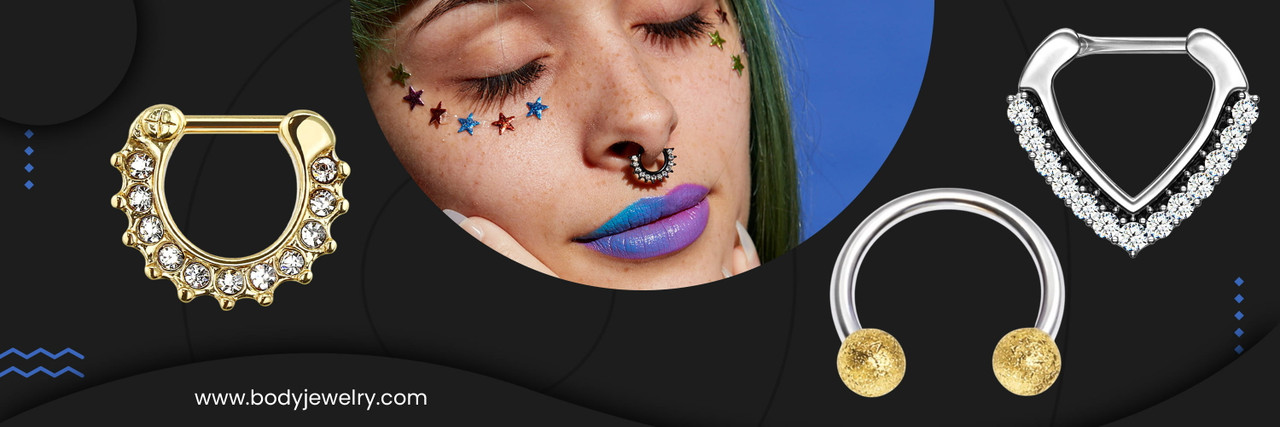
A circular barbell septum piercing adds a bold detail to your look, but sometimes the skin around it doesn't react the way you'd like. Redness, irritation, or dry patches around the site can catch you off guard, especially during warmer months when heat and sweat make everything feel more uncomfortable. These reactions, often called skin flares, can show up without warning and make you question if something’s wrong.
While skin flares can feel overwhelming, they usually have a simple cause. From metal sensitivities to friction or changes in weather, small things can throw your skin off track. Understanding why this happens can help you keep the area calm and comfortable, even during hot summer days when moisture and sunscreen are everywhere.
Understanding What a Skin Flare Is
Skin flares can look different for everyone, but they often follow the same pattern. You might see a red ring around the jewelry, feel stinging when you touch it, or notice that the skin starts to swell or peel slightly. These signs usually show up around the edges of the piercing where the jewelry meets your skin.
It’s easy to confuse a skin flare with regular healing, especially if your piercing is still new. Some redness or tenderness may happen in the first weeks, but if it gets worse over time or comes back after healing, it’s likely something else.
Here are a few signs to watch for if you think you’re having a skin flare:
- A burning or tingling feeling around the piercing
- Redness that won’t fade or keeps getting darker
- Dry or flaky skin that cracks or bleeds
- Swelling that makes the jewelry feel tight or out of place
If these symptoms sound familiar, it’s a good idea to look at what could be causing the reaction instead of ignoring it.
Allergic Reactions to Metal
One of the most common causes of skin trouble around a piercing is the material used in the jewelry. Some circular barbells are made with metals that include nickel, which is known to trigger skin reactions. Even small amounts can cause problems for people with metal sensitivities.
If the skin around your piercing starts acting up right after a jewelry change, the metal might be the issue. Itching, swelling, and weeping skin are often signs of an allergic reaction rather than poor hygiene or an infection.
To help avoid this kind of reaction, stick with jewelry made from metals that are gentler on skin. These include:
- Titanium
- Surgical steel
- Niobium
- Solid gold with a high karat
Always check what the jewelry is made of before wearing it. Looking at the quality now could save a lot of discomfort later.
Improper Fit or Movement of Jewelry
The way your circular barbell fits also affects how your skin handles it. A barbell that’s too tight can press into the skin, especially when swelling happens. On the flip side, one that’s too loose might slide around too much, leading to irritation from constant movement. Either way, this extra pressure or friction can lead to flares.
Touching the piercing can make things worse. Adjusting your jewelry too often or twisting it without thinking can rub the skin raw or remove tiny layers of skin that are trying to heal. Summer makes this worse since sweat, oil, and dirt can build up on the skin, and we tend to wipe our faces more with towels or sunglasses in hand.
To reduce friction and misalignment:
- Check the fit regularly, making sure it doesn’t feel tight or overly loose
- Avoid rotating or playing with the jewelry
- Keep accessories like goggles, sunglasses, and face masks from pressing directly on the area
Sometimes, all it takes is a more stable and well-fitted piece of jewelry to stop the irritation from coming back.
Heat, Sweat, and Summer Conditions
Warmer weather can do more than just melt your makeup. It changes how your skin behaves, especially around piercings. In places like Florida, summer brings long days full of heat, humidity, and sweat. Skin stays damp longer, and when sweat mixes with products like sunscreen or makeup, pores can clog quickly around the piercing.
When that happens, heat builds up under the surface and causes flare-ups. It can feel like intense dryness followed by flaking or sudden redness that doesn’t go away. Sweat, in particular, can carry bacteria and dirt, which increases irritation if not rinsed away. Humid air keeps the skin moist longer, causing jewelry to press harder against delicate skin as it expands.
You don’t have to avoid the sun just to keep your piercing happy, but it helps to make small changes, such as:
- Rinsing your face with cool water after sweating
- Avoiding thick sunscreens directly over the piercing
- Letting your skin breathe whenever you can
Try to keep the area as dry and clean as possible without over-washing. Skin doesn’t need to be stripped every time you shower; it just needs a break from buildup. If you play sports or stay outdoors for long, wash the area gently afterward and change out of sweaty clothes that might rest near your face. Light towels and gentle dabbing rather than rubbing can help, keeping the irritated skin from becoming worse.
When It Might Be an Infection
Not every skin flare is just a rash. Sometimes, the skin acts up because there’s something more serious going on under the surface. A flare that doesn’t go away for days and seems to get worse might be early signs of infection.
If you start to notice green or yellow discharge, or the area becomes painful to the touch, it’s time to stop trying home care. Skin that's infected can feel hot, tight, or extra swollen and usually won’t respond to your usual cleaning routine.
You may also need help if:
- Skin hardens or develops a bump that doesn’t shrink
- Pain gets worse with time instead of better
- You develop a fever or feel sick when touching the piercing
When you suspect infection, it’s important to clean the piercing gently and get advice from a professional who’s familiar with body piercings. Do not try to squeeze or press on the area, as that could make things worse or push bacteria further under the skin. Depending on your symptoms, you may be given a topical antibiotic or oral medication, and sometimes jewelry might need to be temporarily removed to keep the area open for healing.
In situations like this, it’s best to see a professional for care instead of guessing your way through it. Delaying that visit could make healing take longer or lead to more serious reactions. Remember that prompt attention can make a big difference in how quickly you recover.
Stay Comfortable and Confident With the Right Choices
Skin flares around a piercing can show up at any time, but they don’t have to become a regular problem. Keeping track of what materials you wear, how tight the jewelry fits, and how much friction it feels can cut down on irritation in a big way. Summer heat adds some challenges, but small steps like rinsing sweat away and choosing lightweight skin products can keep the area clear and calm.
As we move through the warmer months, it makes sense to double-check the jewelry you’re wearing and how your skin is reacting to the weather. By paying closer attention to how your body responds, you can enjoy your look without dealing with distractions or discomfort.
Redness or irritation may signal that your jewelry needs an update, and at BodyJewelry.com we offer options that work well in warm weather and for sensitive skin. Our range is designed for comfort, proper fit, and to help you avoid metals that cause reactions. Try our circular barbell septum piercing pieces to ease stress around your piercing. For any questions, feel free to contact us.