 Free Returns on all orders.
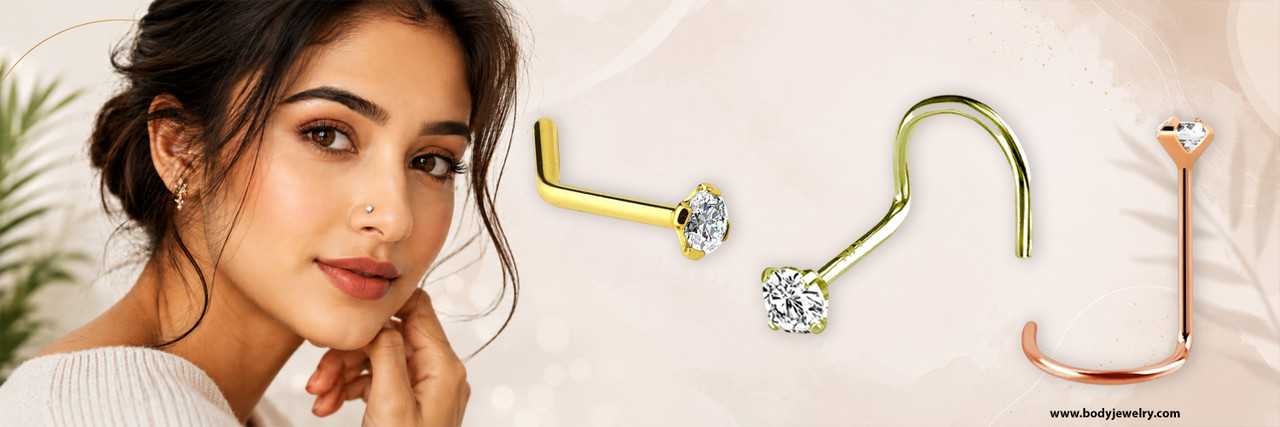
Diamond Nose Piercing Myths Debunked for Buyers
A diamond nose piercing can look clean, bright, and effortless, but it also comes with a lot of myths. If you are thinking about getting one, you deserve real answers before you spend money or let a needle near your face. That means knowing what is safe, what really hurts healing, and what kind of diamond or diamond-look stone you are actually buying.
Late summer is a big time for fresh piercings and jewelry upgrades. Back-to-school, end-of-summer parties, and fall wedding plans all put more focus on photos and outfits. At the same time, social media filters and celebrity close-ups make diamond nose studs look perfect, but posts often leave out the not-so-pretty details. We want to clear up the noise so you can choose a nose stud that fits your life, feels good, and stays put.
Myth vs Reality: Is a Diamond Nose Piercing Safe?
One big myth says that a diamond nose stud is always safe just because it feels fancy or high-end. The truth is, safety has less to do with the sparkle and more to do with the design, material, and the skill of the piercer. A badly placed piercing or a rough setting can irritate your skin, even if the stone is a real diamond.
Safe Metal Options
What really matters for safety is the metal and how the jewelry is built. Many people do well with:
- Surgical steel: Durable and widely accessible for everyday wear.
- Titanium: Biocompatible and ideal for sensitive skin or fresh piercings.
- 14k gold: A classic, high-grade choice that avoids common nickel reactions.
- Quality sterling silver: A solid option for fully healed piercings.
Lower grade metals or mystery alloys can cause redness, itching, or bumps for some people. The stone, whether diamond or not, usually has less contact with your skin than the post and setting.
Understanding Your Risk Types
It also helps to separate two different kinds of risk:
- Piercing procedure risks: Infection, swelling, or uneven placement.
- Jewelry risks: Rough edges, poor fit, or metal that does not agree with your skin.
A clean, professional piercing studio and safe metal are your best friends. When you choose well-made pieces from a trusted source that focuses on body jewelry, you lower the chances of problems and make it easier for your piercing to calm down and stay healthy.
Healing Truths: Can You Start with a Diamond Nose Stud?
Another common myth says you must wait a long time before wearing any kind of diamond nose piercing. That is not always true. With the right style and metal, some people can start with a diamond or diamond-look stud right away, as long as a professional piercer agrees it is safe for their skin and lifestyle.
Piercers often suggest starter styles that sit secure and smooth, such as:
- Labret studs with flat backs: Reduces friction inside the nostril.
- L-bend nose studs: Easy to insert and comfortable for minor swelling.
- Nose screw styles: Custom-fitted to stay firmly in place during active wear.
These options help the jewelry stay in place while your nose swells and relaxes during healing. Settings should be low profile and smooth, with no sharp prongs sticking out that can snag on towels, clothes, or face masks.
Healing has stages. In late summer, things like sweat, sunscreen, dust, and time outdoors can make bumps more likely if you are not gentle. General care tips often include leaving the jewelry alone as much as possible, following your piercer’s cleaning advice, and avoiding makeup or sunscreen right on top of the fresh hole. Whether your stone is a real diamond or a crystal, the key is a secure, comfortable fit and a setting that does not twist, dig in, or move around too much.
Real Diamond vs Look-Alikes: What You Are Really Buying
The phrase “diamond nose piercing” gets used a lot, even when the stone is not a real diamond at all. Many nose studs use:
- Natural diamonds: Mined from the earth, offer maximum hardness and traditional value.
- Lab-grown diamonds: Chemically identical to mined diamonds, made in controlled environments.
- Cubic zirconia (CZ): Synthetic, budget-friendly stones with high clarity and shine.
- Other clear crystals: Great for temporary wear or testing out new styles.
Natural diamonds and lab-grown diamonds are both real diamonds, just formed in different ways. They tend to be harder than most other stones. Cubic zirconia and crystal options can still look bright and pretty and work very well for everyday wearers or anyone testing out the look before committing to a higher-end piece.
When you read a product description, pay attention to:
- Stone type: Does it clearly say natural diamond, lab-grown, CZ, or crystal?
- Cut and shape: Round, princess, heart, or flat disk.
- Size: Listed as millimeters (mm) or carats (ct) for true diamonds.
- Setting style: Prong, bezel, or flat-top designs.
Clear, honest labeling is a good sign. A bezel or flat-top setting can feel smoother and less likely to catch, while prong settings can look more sparkly and raised. Think about how you live day to day and how much you want your stud to stand out.
Comfort and Style Myths That Keep You From Loving Your Piercing
There are a few myths that scare people away from diamond nose studs. One says they always fall out, another says they only look good on certain face shapes, and some people think they cannot wear them to work or school. These ideas can keep you from enjoying a look that might suit you perfectly.
Fit and style are the real keys. Post styles all feel a little different:
| Post Style | How It Works | Best For |
|---|---|---|
| L-Shaped | Slides in and bends at a 90-degree angle to rest in the nostril | Easy insertion and removal |
| Nose Screw | Twists in with a curved hook to hold snugly | Secure daily wear |
| Nose Bone | Features a small bulb at the end passed through a healed hole | Quick updates on fully healed piercings |
| Labret | Uses a flat-back disc with a screw-in or push-pin top | Maximum comfort and low snag risk |
For comfort at work or in class, many people pick tiny stones in flat or low-profile settings that sit close to the skin. For parties, weddings, or evening events as the weather cools down, you can swap to a larger stone, a cluster design, or a shiny metal accent. Late summer into fall is a fun time to play with both subtle and bold pieces as outfits shift from shorts to layers.
Shop Smart: How to Choose Your Diamond Nose Piercing Today
Before you add anything to your cart, it helps to run through a simple checklist in your head:
- Is your piercing fresh, healing, or fully healed?
- Do you know which metals your skin likes best?
- Are you set on a real diamond, or are you open to lab-grown or CZ?
- Which post style sounds most secure for your daily routine?
Try to ignore myths and hype and focus on what fits your nose, your job or school rules, and how active you are. A tiny, well-set CZ in titanium might serve you better than a bigger diamond in a post that does not sit right. When you are unsure about gauge, length, or where the stud should sit on your nostril, a professional piercer is the best person to guide you. Once you understand the real facts about comfort, safety, and stone types, choosing diamond and diamond-look nose jewelry from a dedicated body jewelry retailer becomes simple and even fun.
Elevate Your Style With A Stunning New Piercing
Ready to add a touch of sparkle to your look with a piece that feels truly personal? At Body Jewelry, we make it easy to find a diamond nose piercing that matches your style, comfort level, and budget. Browse our curated selection, choose your perfect piece, and feel confident knowing you are getting quality jewelry made to last. Take the next step today and transform your everyday look with a subtle yet unforgettable shine.