 Free Returns on all orders.
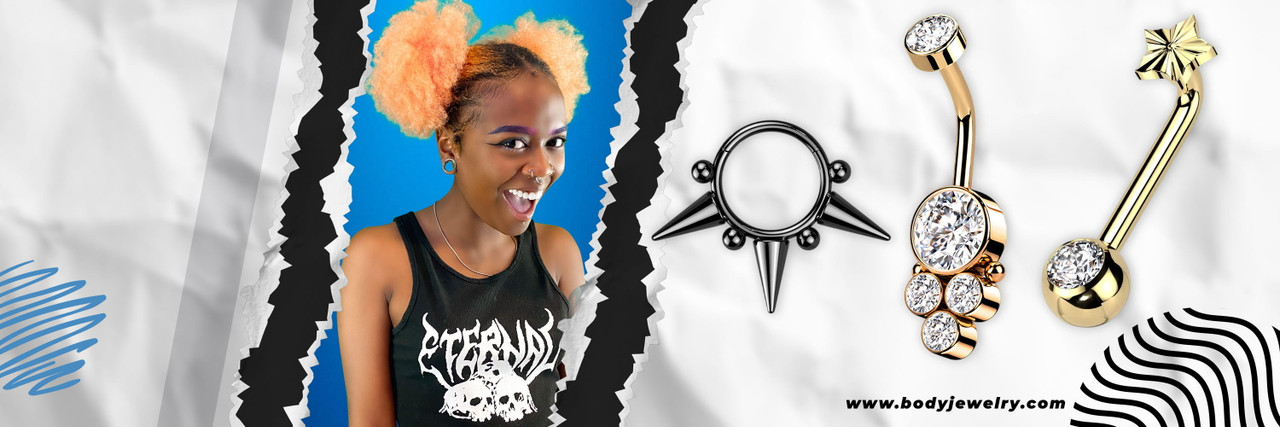
July is a popular month for first piercings. School is often out, work schedules can be lighter, and we wear less clothing, so new jewelry shows more. Planning ahead now helps us avoid rushing into a quick mall piercing with random jewelry. In this guide, we will walk through common basic piercings, healing times, starter jewelry options, and how to match everything to our lifestyle so we can feel confident from day one.
Start Your Piercing Journey with Confidence
When we say “basic piercings,” we are talking about beginner-friendly spots that work for most people, like:
- Single or double ear lobes
- Helix, the upper ear cartilage
- Nostril piercings
- Navel piercings
These areas let us try out body jewelry without going straight to more advanced work like industrials or bridges. They are classic, easy to style, and usually pretty simple to care for when we follow good aftercare.
As we move through this guide, we will cover placement, what the piercing feels like, how long it usually takes to heal, and what kind of starter jewelry works best. That way, we are not guessing when we pick our first pieces.
Understanding Basic Piercings and Healing Timelines
Here is a quick overview of what to expect with common basic piercings:
- Ear lobes: A fast pinch, often the easiest starter piercing
- Helix: A bit sharper since it goes through cartilage
- Nostril: Quick, with a brief sting and some watery eyes
- Navel: A short pinch plus pressure as the needle passes through the skin
Healing times are different for each spot. Ear lobes usually heal faster than cartilage, and cartilage usually heals faster than a navel. Nostril piercings sit somewhere in the middle. “Fully healed” means the tissue is strong all the way through, not just that it looks fine on the surface.
Summer adds a twist. Sweat, sunscreen, pools, lakes, and beach sand can all irritate fresh piercings. That is why aftercare is even more important in hot weather, especially near the ocean or if we live in a humid area.
We also want to understand starter jewelry versus long-term jewelry. Starter pieces are made to:
- Allow for swelling
- Stay stable while the piercing heals
- Use safer metals for new piercings
Swapping too early, just because we want a cute hoop for a party, can slow healing or cause bumps. Patience now means more comfort and more style choices later.
Choosing Safe Starter Jewelry for New Piercings
The metal we choose for a new piercing really matters. Common, pro-friendly choices include:
- Surgical steel
- Titanium
- Niobium
- Solid 14k gold
These metals tend to be smoother and easier on new tissue. They help lower the chance of irritation while everything is fresh and a bit grumpy. Acrylic, silicone, or plated styles are usually better once the piercing is fully healed.
Size and shape are just as important as metal. Each piercing has a standard gauge, or thickness, that piercers like to use. We also want the right length or diameter. Too tight can cut into swelling skin, and too loose can snag on towels, clothes, and swimsuits.
During summer, it helps to choose:
- Slightly longer posts to allow for swelling
- Close-fitting hoops instead of big, floppy ones
- Smooth edges that will not catch on beachwear or sports gear
When we shop online, it pays to read product descriptions carefully. Look for the metal type, gauge, length, and whether the jewelry is internally threaded. Internally threaded jewelry often goes in smoother because the threading is inside the bar, not on the outside where it can scratch.
Matching Piercing Styles to Your Look and Lifestyle
Our piercing plan should make sense with how we live day to day. If we work in a more traditional office, small studs in the lobes or nostril might feel better than bold, oversized hoops. If we love a bit of edge, tiny hoops or simple cartilage rings can still look clean and classic.
Some easy style ideas:
- Minimalist look: small flat back studs or plain metal balls
- Subtle edge: snug little hoops in lobes or helix
- Glam style: cubic zirconia or gem studs in lobes and one nostril
We also need to think about activities. If we wear helmets, headphones, or sports gear, fresh cartilage piercings might get bumped more often. Swimmers might want to keep new piercings away from constant submersion until things are more healed.
For July, low profile pieces are our best friends. New piercings do better with:
- Small studs instead of long dangles
- Close-fit hoops instead of big statement rings
- Smooth shapes that will not catch on beach towels or tank tops
We can always plan to upgrade once the weather cools and healing is further along.
First-Time Piercing Safety and Aftercare Musts
Even for basic piercings, choosing a professional piercer matters. Look for someone who:
- Uses single use, sterile needles, not piercing guns
- Works in a clean studio with clear hygiene habits
- Can show healed photos of their work
- Answers questions without pressure or attitude
After the piercing, simple aftercare is non negotiable. Most pros recommend:
- Saline soaks or rinses
- Gentle drying with clean, disposable paper products
- No twisting or spinning the jewelry
- Hands off, unless we are cleaning
Summer adds sweat, sunscreen, and sand to the mix. Try to keep all of those away from the fresh piercing, and gently rinse with saline or clean water if any of that gets on the area.
Some common mistakes to avoid:
- Changing jewelry too soon
- Using alcohol, peroxide, or harsh soaps
- Sleeping directly on a new ear piercing
- Buying low quality metal that can irritate skin
If we see severe redness, hot skin, strong pain, or thick yellow or green discharge, it is time to talk with a professional piercer or healthcare provider.
Build Your First Piercing Set with Smart Online Choices
A helpful way to shop is to think in sets. First, decide which basic piercings we want right now. Then build a small starter collection around them so we are ready when the piercer gives the all clear for jewelry changes.
A simple “capsule” set might include:
- Flat back studs for lobes and helix
- Small, smooth hoops for healed nostril or ear
- A curved barbell for a navel piercing
When we look at product pages, we want to understand gauge, length, and diameter, and whether the jewelry is a stud, hoop, or barbell. The material should be clearly listed, along with any threading details or design notes. Reading customer reviews and looking at photos can also help us guess how a piece might sit on different ears or noses.
Planning ahead lets us set up a wish list of future pieces while we heal in our starter jewelry. That way, by the time our basic piercings are strong, we already know which styles we are excited to wear next from BodyJewelry.com.
Upgrade Your Look With Confidence-Building Jewelry
If you are ready to level up your style with fresh piercings, we are here to help you choose pieces that feel comfortable and look great every day. Explore our curated collection of basic piercing jewelry to find safe, high-quality jewelry that matches your vibe and your budget. At BodyJewelry.com, home of Luxe Modz, we focus on materials and designs that support healthy healing while still keeping your look on point. Start building your perfect piercing set today and enjoy jewelry you can rely on from day one.