 Free Returns on all orders.
Piercing at home isn't a new idea, but the tools used make a huge difference in how safely and cleanly the process goes. Grabbing random sharps or using low-grade kits might seem easy, but it often leads to bad angles, infections, or uneven healing. That’s why using professional piercing tools matters. These are the same tools trusted in studio settings, and they offer accuracy, safety, and reliable results.
When you’re piercing your body, just poking a hole isn’t enough. You want to do it in a way that helps the body heal properly and keeps things looking the way you intended. The right gear helps you do exactly that. Choosing quality tools shows care, patience, and a long-term approach to looks and health.
Benefits Of Professional Piercing Tools
Grabbing a sewing needle or makeshift clamp out of the toolbox might feel like a shortcut, but it can backfire in more ways than one. Not only are those tools not sterile, but they also aren’t shaped for piercing, which means they're harder to control and less likely to produce smooth, even results. That’s where professional piercing tools come in.
Here’s what they offer:
- Precision - Hollow piercing needles are made to glide through skin and tissue cleanly. They reduce trauma, minimize bruising, and create the right shape for your jewelry.
- Sterilization - Pro tools are made from materials like stainless steel, which can handle high heat and disinfecting solutions. This seriously lowers your risk of infection.
- Control - Designed with grips, grooves, and the right weight, these tools are easier to hold and use. You don’t have to use weird angles or guess where and how deep to go.
Imagine someone trying to pierce their ear with a sewing needle. It might bend, slip, or go off angle. Now picture them switching to a sterile hollow needle and clamp—the needle glides through properly, the clamp holds the skin steady, and the result looks like it came from a shop. That’s what professional gear does for you.
If you're doing multiple piercings, quality gets even more important. Pro tools allow you to create consistent spacing and symmetry across different areas. Keeping things even and clean doesn’t have to be a guessing game when the tools are set up for it.
Types Of Professional Piercing Tools
The kit for piercing isn’t just a needle and a brave soul. Each tool fits a different purpose, and having the right ones in your setup makes every step smoother.
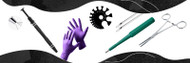
Here are some of the most popular professional piercing tools:
- Piercing Needles - These are hollow and usually made from surgical-grade stainless steel. Unlike piercing guns or thumbtacks, they remove a small core of tissue, which helps the piercing heal cleaner with less swelling.
- Clamps and Forceps - Used to hold the skin in place, these help nail the correct location and angle. They’re especially helpful for piercings that pass through thick or uneven areas like cartilage.
- Receiving Tubes - These act like a shield on the other side of your piercing. They prevent the needle from jabbing into something it shouldn’t, making this tool extra useful for body parts close to bone or cartilage.
- Cork Plugs - These give the needle a clean stop point. Often used in cartilage or septum piercings, they reduce discomfort and help stabilize the area.
- Marking Tools - Before anything touches your skin, you want to mark exactly where it should happen. Using skin-safe markers or piercing dots helps line everything up right.
When shopping for tools, look for surgical-grade materials. Stainless steel is common because it resists germs, heat, and rust. Skip anything made from soft plastics or materials that warp under pressure or heat. Also, double-check that your tools come sealed in sterile packaging or plan to sterilize them yourself before using.
Different piercings call for different tools. Nose and lip piercings usually rely on receiving tubes and clamps, while ear piercings might need extra stabilizing with corks. Knowing which tool combo works best based on location and skin type makes everything more predictable and safe.
Safety Tips For Using Professional Piercing Tools At Home
Doing a piercing at home takes more than a steady hand. You need a clean setup, good lighting, and enough time to focus without distractions. A little prep goes a long way when it comes to preventing infections or uneven piercings.
Here are some tips to get a safer at-home piercing every time:
- Prepare Your Space - Use a solid, flat surface like a kitchen counter or desk, and wipe it down with disinfectant. Avoid clutter, pets, and open windows to reduce germs flying around.
- Follow Sterilization Practices - Either use pre-sterilized tools or boil your tools in water for at least 10 minutes. Steam sterilizers are even better if you have one. Never reuse needles.
- Use Professional Technique - Mark the spot before you pierce. Make sure you're fully in control of the tool, and don’t rush. Take your time lining things up before the needle goes through.
- Keep Up With Aftercare - Once the piercing is done, cleaning doesn’t stop. Use a saline spray or solution a few times a day, and avoid playing with or touching the area. Redness or swelling that lasts more than a few days should be checked by a health professional.
Stay alert throughout the process. Clean hands, clean tools, and a clean space are the best way to get a piercing that heals well and looks great from the start.
Where To Buy Professional Piercing Tools
Where you get your tools is just as important as what tools you use. Skipping quality or grabbing mystery items from unknown sellers can lead to poor performance or unsafe materials.
The better choice? Trusted shops that focus on body jewelry and piercing equipment. These stores usually offer high-grade tools made from reliable materials, and many carry the same items used in piercing studios. They also provide sterilization info and care instructions, which makes keeping your tools clean much easier.
Avoid kits or tools being sold as “one-size-fits-all” or made by brands you've never heard of. Look instead for places that specialize in body piercing and jewelry. You’ll have a better shot at finding tools that are sharp, sterile, and well-constructed.
Spending a little more up front will usually save time, money, and discomfort later. That goes for both beginners and experienced piercers doing work at home.
Why Going Pro With Tools Just Makes Sense
Using professional tools for your at-home piercings doesn’t just make the job easier. It makes the piercing safer, more accurate, and less painful. These tools are created with user comfort and long-term results in mind. That means fewer mistakes, faster healing, and piercings that don’t need constant touching-up.
Taking piercing into your own hands can be rewarding, but there’s no room to cut corners. Treat your body with care by sticking to tools that are designed to work properly, hold up to cleaning, and fit the job at hand. The piercing process becomes a whole lot smoother when you're not fighting the tools.
And learning more about each part of the process helps build confidence and skill. Whether you're piercing just once or planning multiple additions to your look, professional tools lay the foundation for well-done work you can feel good about.
If you're getting serious about safe and clean piercings at home, upgrading your setup with the right professional piercing tools can make all the difference. At BodyJewelry.com, we carry studio-quality instruments built for control, accuracy, and comfort so you can focus on the art, not the hassle.